

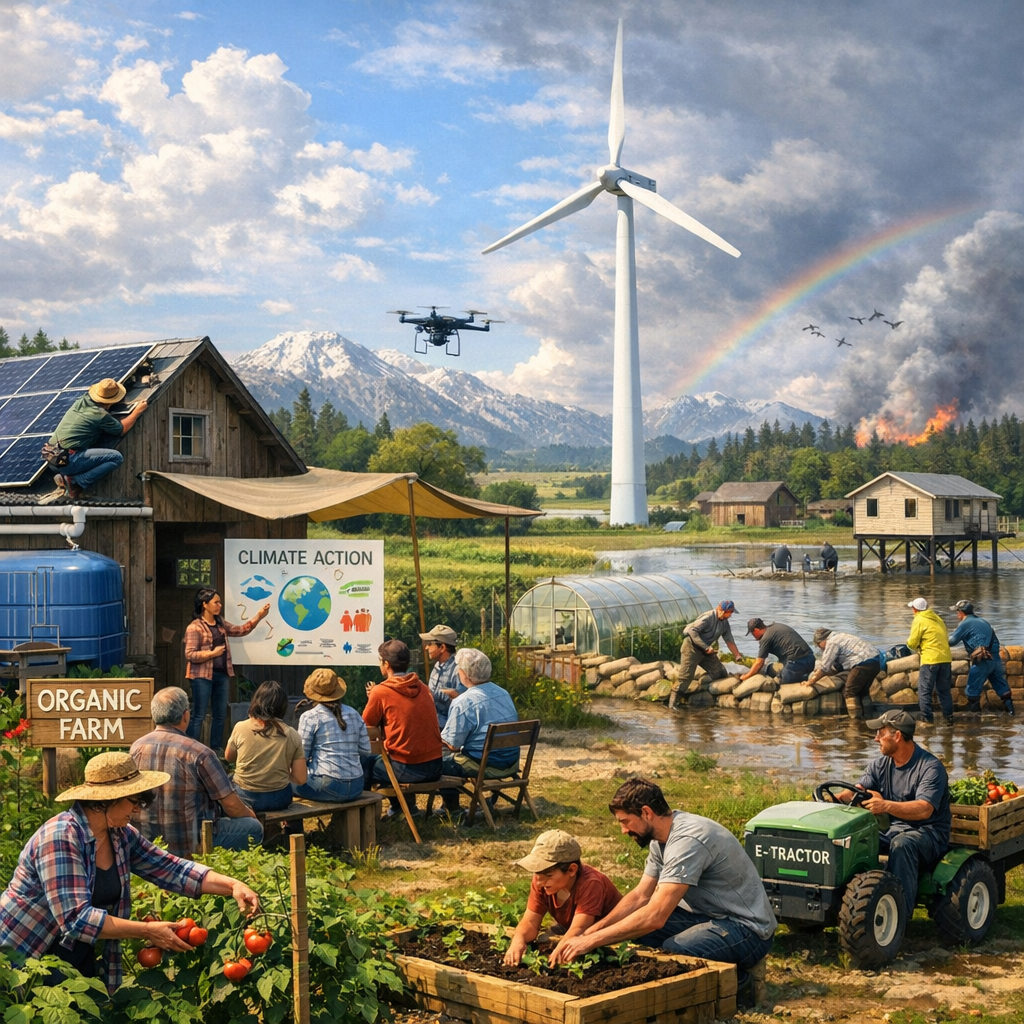
In our interconnected world, events unfolding thousands of miles away can have profound effects on rural communities like Hartsel, Colorado. Understanding these global influences is crucial for fostering resilience and ensuring the well-being of our local population.
Climate Change and Rural Vulnerability
Climate change poses significant challenges to rural areas worldwide. Unpredictable weather patterns, prolonged droughts, and extreme events disrupt agricultural activities, threatening livelihoods. For instance, in 2024, over 90 million people in Eastern and Southern Africa faced acute hunger due to climate-induced disruptions. While Hartsel may not experience such severe impacts, our community is not immune to changing climate patterns that can affect local agriculture and water resources.
Economic Interdependence and Supply Chain Disruptions
Global economic shifts and conflicts can disrupt supply chains, leading to shortages and price fluctuations in essential goods. The 2026 conflict in the Middle East, for example, caused significant disruptions in fertilizer and fuel shipments, impacting farmers worldwide. Such events highlight the vulnerability of rural economies to international market dynamics, emphasizing the need for local strategies to mitigate these risks.
Health Crises and Rural Healthcare
Global health crises often disproportionately affect marginalized communities. In 2026, outbreaks like measles in the U.S. and foot-and-mouth disease in Central Asia underscored the challenges rural areas face in accessing healthcare and managing disease outbreaks. Strengthening local healthcare infrastructure and ensuring access to medical resources are vital for rural communities to effectively respond to such crises.
Building Local Resilience
To navigate these global challenges, rural communities must focus on building resilience through:
- Diversifying Economies: Reducing dependence on a single industry by promoting local businesses and sustainable tourism.
- Investing in Infrastructure: Enhancing transportation, communication, and healthcare facilities to better withstand external shocks.
- Community Engagement: Fostering strong social networks and local organizations to support collective action and resource sharing.
By understanding the interconnectedness of global events and local realities, communities like Hartsel can develop strategies to adapt and thrive in an ever-changing world.