
by Emily Smith
Living in Hartsel, Colorado, far from the hustle of global capitals, it’s easy to feel distant from international issues. Yet, the world’s crises—migration, climate change, and conflict—ripple everywhere. Here’s a guided look at major ongoing developments globally and why they matter even to quiet mountain towns.
Migrations in Motion: Who’s Moving, Why, and How
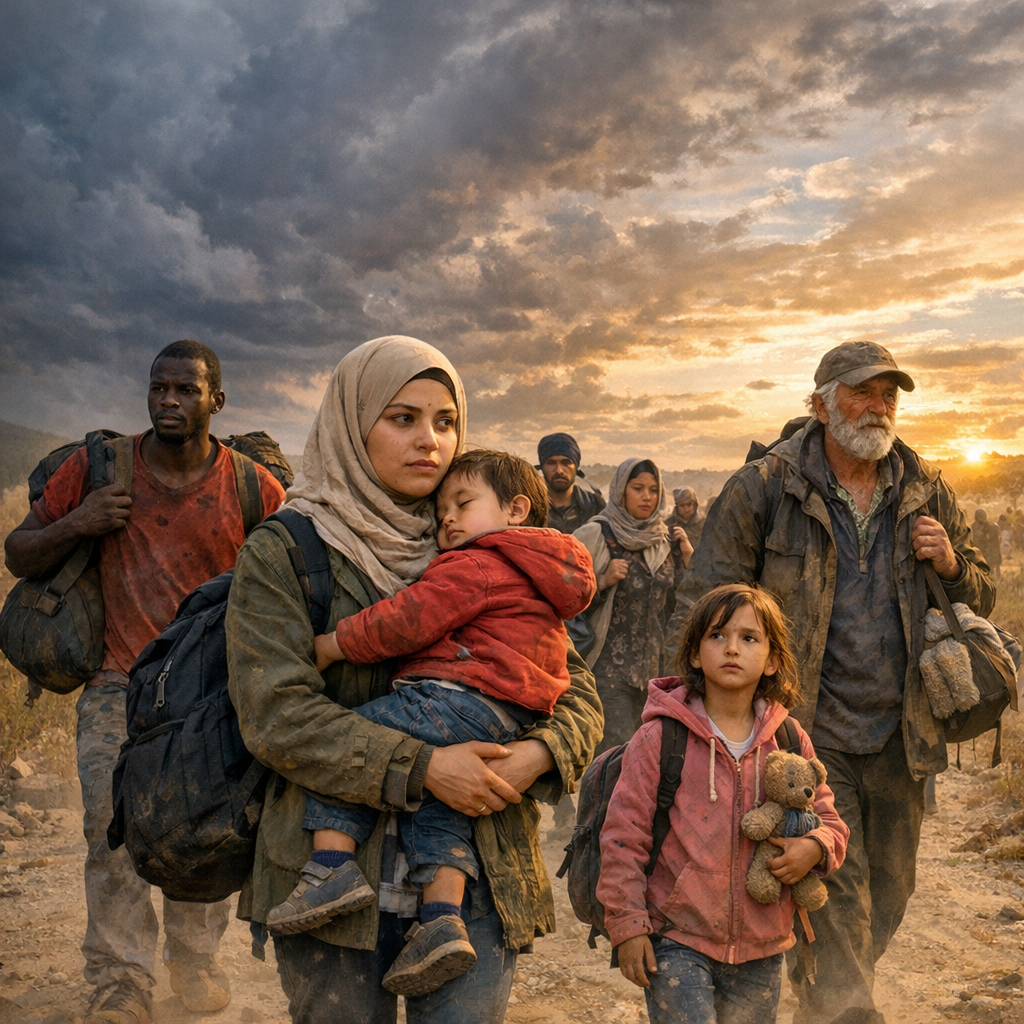
Around mid-2024, there were approximately 304 million international migrants, roughly 3.7% of the global population. Most migrate for work, education, or family ties—not because of crisis—but displacement is growing. Conflict, climate, and economic stress forced over 83 million people to flee their homes within borders by the end of 2024. The risks for those traveling irregular or dangerous routes continue rising. Suggestions from experts are firm: expanding safe migration pathways isn’t just humanitarian—it strengthens global economies.
Climate Promises vs. Realities: Where the World Helps—or Stumbles
Many nations recently submitted updated climate action plans (Nationally Determined Contributions under the Paris Agreement), aiming for more emissions cuts. Even so, projections indicate that energy-related CO₂ emissions will still rise by about 0.4% annually through 2035—unless conditional pledges are fully met. Even then, any decrease could be small.
Efforts under agreements like Article 6 are moving from debate to implementation—carbon markets, registry tools, and cooperation on clean tech are underway. But key issues—like measuring adaptation and accountability—remain unresolved, and there’s urgency for clarity before the next major UN climate meetings.
Tensions and Conflicts: Global Turbulence Grows
Global conflict levels have climbed. In 2025, more country-level conflicts and border disputes escalated, and one-sided violence—usually against civilians—jumped sharply, largely linked to the crisis in Sudan. This isn’t just distant news: conflicts disrupt trade, fuel displacement, and pressure international institutions.
Meanwhile, the UN General Assembly recently passed resolutions reaffirming that failure to protect the environment is a breach of international responsibility—echoing growing concern that legal frameworks must adapt to climate threats. At these global tables, nations continue to call for stronger cooperation and shared systems of accountability.
What Hartsel and Communities Like It Should Know
• Migration shapes economics, demographics, and culture—even in rural America, from labor shortages to cross-border supply chains.
• Climate commitments affect us via energy markets, extreme weather risks, and federal funding for adaptation.
• Wars and international instability drive up fossil fuel prices, threaten global supply lines, and stir political debate closer to home.
These global stories—even when complex—offer clues to our future. How America responds in diplomacy, policy, and global cooperation matters to places like Hartsel. And in turn, everyday citizens engaging with those larger choices—through voting, consumption, and community—help shape what kind of world we leave behind.